
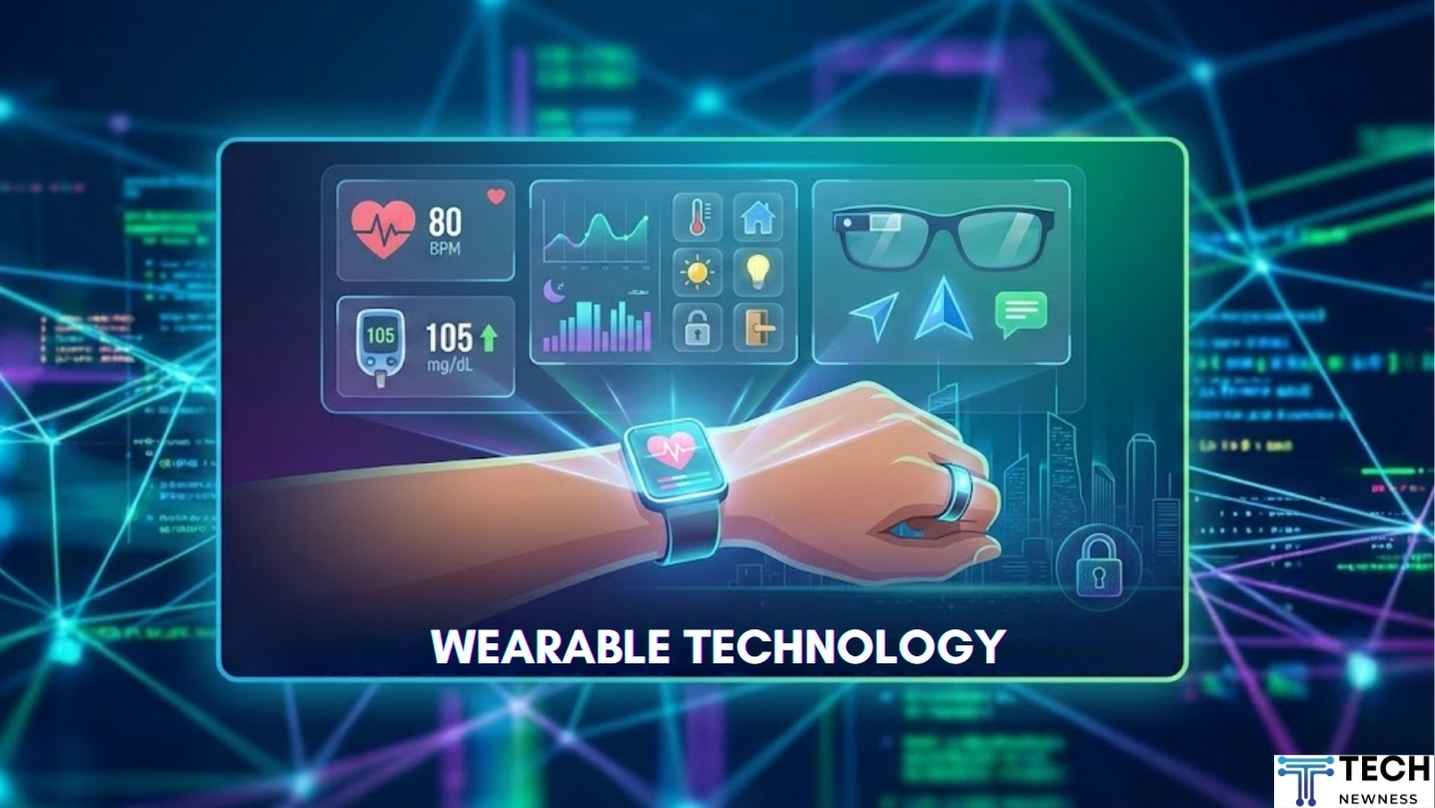
In 2026, wearable technology is poised to redefine the boundaries of personal tech, moving far beyond the realm of simple fitness trackers. As these devices evolve, they are becoming indispensable tools in health monitoring, offering features such as continuous glucose monitoring, sophisticated sleep analysis, and even early disease detection. Meanwhile, the integration of augmented reality into wearables promises to transform everyday interactions, enhancing everything from navigation to communication.
Additionally, these gadgets are rapidly becoming the central hubs of smart home ecosystems. This article delves into these advancements, while also addressing privacy concerns and future possibilities, offering insights for tech enthusiasts and health-conscious consumers alike.
Table of Contents
What Is Wearable Technology?
The Basics of Wearable Technology
Wearable technology, often simply called wearables, includes electronic devices that are designed to be worn on the body. These innovative gadgets are integrated into clothing or accessories and come equipped with various sensors and processors, enabling them to interact seamlessly with the wearer and their environment. Devices like smartwatches, fitness trackers, smart glasses, and biometric clothing are prime examples of this technological stride.
How Wearables Work
The functionality of wearable technology hinges on a combination of hardware, software, and connectivity. Sensors embedded within these devices gather raw data from the wearer or their surroundings. This data is then processed internally and can be communicated to other devices such as smartphones or computers via wireless technologies like Bluetooth or Wi-Fi. For instance, a smartwatch might track heart rate and transmit this information to an app on your phone for further analysis.
Benefits and Uses
Wearables offer numerous benefits, particularly in health monitoring and daily convenience. They can track and analyze physical activity, monitor vital signs, and provide safety features such as emergency alerts. Beyond health, these devices enhance users’ daily lives by offering quick access to information, notifications, and smart home integration capabilities. As we move towards 2026, wearable technology is poised to become even more indispensable by incorporating emerging technologies like augmented reality and advanced biometric sensors. With integration into smart home ecosystems, wearables are expected to further blur the lines between virtual and physical interactions. The future looks promising for these small yet powerful devices, which are revolutionizing how we interact with technology.
Evolution of Wearable Technology: From Fitness Trackers to Health Monitoring
The Shift from Fitness to Health
Wearable technology has seen significant strides from its early days as basic fitness trackers. Once primarily used for counting steps and tracking heart rates, wearables now serve as advanced health monitors. Modern devices offer expansive health insights, encompassing sleep patterns, blood oxygen levels, and stress metrics, thereby empowering users to maintain and improve their well-being.
Comprehensive Health Monitoring
As we move towards 2026, wearables are evolving into essential tools for health monitoring. These devices enable continuous glucose monitoring and non-invasive biomarker detection, offering real-time health data and early disease detection by integrating advanced sensor technology. Such advancements facilitate proactive health management, reducing reliance on in-person healthcare visits and fostering seamless user experiences.
Overcoming Challenges
Despite the promising future of wearable technology, challenges remain. The complexities of data privacy, integration with existing healthcare systems, and device accuracy need addressing to maximize wearable potential. As these challenges are tackled, wearable technology is poised to become even more integral in enhancing personal health and well-being, making notable strides toward the fusion of technology and healthcare.
How Wearable Technology Improves Your Health: Advanced Medical Wearables
Continuous Health Monitoring
In 2026, wearable technology is poised to transcend traditional fitness tracking and profoundly impact health monitoring. Devices like smartwatches are evolving into indispensable medical wearables. The ability to continuously monitor vital signs such as heart rate, glucose levels, and blood pressure not only empowers individuals but also assists healthcare providers in offering more personalized care. For example, continuous glucose monitors embedded in medical wearables are revolutionizing diabetes management by providing real-time data that can significantly improve patient outcomes.
Early Detection and Disease Management
One of the most compelling benefits of wearable technology lies in its potential for early disease detection. Wearable biosensors in medical devices can identify irregularities that may signal conditions like atrial fibrillation or sleep apnea, enabling intervention before they escalate. Early detection is critical in preventive health, allowing timely management and reducing the risk of chronic diseases. The seamless integration of wearables with electronic health records enhances these capabilities by providing healthcare providers with comprehensive insights into patients’ health profiles, ultimately leading to improved treatment plans and outcomes.
Addressing Privacy Concerns
While wearable technology transforms health monitoring, it also raises valid privacy concerns. As wearables collect vast amounts of personal health data, ensuring data security and user trust is paramount. Implementing robust security measures and adhering to strict data protection regulations are vital steps in safeguarding user information. Addressing these privacy challenges while maintaining transparency and user control will be crucial to the continued integration of wearables in healthcare systems.
Augmented Reality in Wearable Devices: Enhancing Everyday Experiences

Seamless Integration of the Virtual and Real Worlds
Wearable technology equipped with augmented reality features is fundamentally altering how we interact with the world. By overlaying digital content onto the real world, these devices provide immersive experiences that seamlessly blend digital and physical spaces. AR wearables such as smart glasses allow users to access hands-free navigation and contextual information, enhancing daily tasks and productivity. For instance, real-time translations and face recognition features improve social interactions by breaking down language barriers and enhancing connectivity. Such integration significantly transforms communication by making it more intuitive and accessible.
Transforming Industries with Augmented Reality
The impact of wearable AR technology extends far beyond entertainment. Industries like healthcare, education, and enterprise are embracing the potential of AR. In healthcare, AR devices facilitate advanced surgical procedures and remote consultations, offering unparalleled support to medical professionals and patients alike. Similarly, in education, AR wearables foster immersive learning environments where students can engage in virtual simulations. This technology is also revolutionizing the workplace by enhancing productivity through interactive task management and collaboration, fostering a connected digital workspace.
Overcoming Challenges for Mainstream Adoption
Despite their transformative potential, wearable AR devices face hurdles including hardware limitations, high costs, and privacy concerns. Current devices require further miniaturization and battery life improvements to ensure broad acceptance and comfort. Furthermore, investing in robust privacy measures and diverse content development is crucial for overcoming adoption barriers. As AR continues to evolve, addressing these issues will be essential for integrating wearable AR technology into our daily lives, harnessing its full capabilities for enriching human experiences.
Smart Home Integration: Wearables as Central Hubs
Seamless Connectivity and Control
In 2026, wearable technology is more than just a health tool—it’s a linchpin in smart home integration. These devices, often overlooked, now have the power to connect and control various smart home systems seamlessly. Imagine a world where your wearable not only tracks your steps and heart rate but also unlocks your door as you approach, sets the ideal temperature, and dims the lights for movie night—all autonomously. Many wearables leverage existing home automation protocols like Zigbee, Z-Wave, and Bluetooth, allowing users to manage devices from various manufacturers effortlessly. By acting as central hubs, these wearables can significantly enhance the user experience, offering control on the go through voice commands or intuitive apps.
Enhanced Automation Through AI
Artificial intelligence has become a game-changer in the realm of smart home integration. Wearables are increasingly equipped with AI capabilities, enabling them to learn user preferences and predict needs, thus automating routine tasks. For instance, a wearable might recognize when a user is on their way home and prompt the thermostat to start heating up. Integration of machine learning algorithms means that these devices can adapt to lifestyle changes, ensuring that the smart home ecosystem remains attuned to the user’s evolving requirements.
Overcoming Challenges and Concerns
While the benefits of using wearables as central hubs are substantial, challenges remain, particularly regarding privacy and data security. As wearables become integral to smart home ecosystems, they gather extensive data about users’ routines and preferences. This raises significant concerns over who gets access to this data and how it’s being protected. Moreover, inter-device compatibility can sometimes be a hurdle, especially in households with a diverse array of smart gadgets. Yet, the industry is rapidly addressing these issues, ensuring that the marvels of wearable technology, alongside robust data protection frameworks, are within everyone’s reach. Through continued innovation, wearables are slated to be indispensable in the landscape of modern, interconnected living.
Privacy Concerns and Future Directions in Wearable Technology

Navigating Privacy Challenges
As wearable technology evolves, privacy remains a paramount concern. Devices from smartwatches to advanced medical wearables collect and store vast amounts of personal data. This information can offer valuable insights, but also poses significant privacy risks. Concerns arise particularly from potential breaches through vulnerabilities in cloud servers and device data management. These concerns are heightened by the capabilities of sensors to infer sensitive user information, potentially leading to unauthorized data usage or identification. To safeguard users, developers are focusing on implementing robust security measures like data anonymization and secure storage solutions.
The Path Forward
The future of wearable technology lies in balancing innovation with user trust. As devices integrate more complex functions such as health monitoring and augmented reality, ensuring transparency in how data is used becomes critical. Researchers propose a methodological framework that includes transparency and consent-aware data processing for fair, inclusive technology development. This involves enhancing security protocols, addressing algorithmic biases, and ensuring equitable access to technology. Achieving these goals will require an interdisciplinary approach, combining technical and ethical expertise to create devices that are not only advanced but also universally trustworthy.
What Is an Example of Wearable Technology?
Smartwatches: The Pioneers of Wearable Technology
When it comes to wearable technology, smartwatches have undoubtedly paved the way for a new era of digital integration. These sleek devices not only tell time but have evolved into comprehensive tools offering health monitoring, augmented reality, and smart home integration features. In 2026, smartwatches go beyond tracking steps and heart rate. They provide continuous glucose monitoring, offering a lifeline to users with diabetes by notifying them of blood sugar deviations in real-time. Moreover, enhanced sleep analysis now empowers users with insights to optimize their rest routines, targeting both health-conscious and tech-savvy audiences.
Augmented Reality Glasses: A Visionary Leap
Another cutting-edge example of wearable technology is augmented reality glasses. Blurring the line between the physical and digital world, these glasses immerse users in a blend of reality and virtual enhancements. Imagine navigating through city streets with intuitive AR overlays guiding your path or having information pop up about your surroundings as you explore. This innovation is more than just convenience; it’s a transformation of everyday experiences, blending innovation with practicality.
Medical Wearables: Bridging Technology and Health
Medical wearables have become essential tools in the healthcare sector, offering real-time health monitoring directly to patients and professionals. With features like early disease detection, these devices enable proactive healthcare management, alerting users to critical health changes before symptoms escalate. As digital healthcare continues to grow, so does the relevance of these devices, reinforcing their importance in modern medicine.
Wearable technology, in all its forms, signifies a fundamental shift in how we interact with our environment, promising a future teeming with endless possibilities.
Conclusion
As we move into 2026, wearable technology is poised to redefine the landscape of personal health, augmented reality, and smart home connectivity. No longer just fitness trackers, these devices are becoming indispensable tools for continuous health monitoring, offering insights into everything from glucose levels to sleep patterns. With augmented reality enhancing everyday experiences and wearables serving as the command centers of smart homes, the potential is vast. However, as these technologies become more integrated into daily life, addressing privacy concerns remains crucial. As experts predict, the future of wearables will be about balance—harnessing innovation while safeguarding personal data.
See Also: Planned Obsolescence: The Hidden Cost in Consumer Electronics