If you’re planning to trade futures in 2026, starting with paper trading is the smartest move you can make. Paper futures trading allows you to practice strategies, understand market volatility, and learn platform tools—without risking any real money. Think of it as a flight simulator for traders. You can test takeoffs, landings, and even turbulence… all without fear.
Whether you’re a beginner trying to learn futures or an experienced trader improving your edge, a reliable free paper trading platform is essential. Below is a detailed breakdown of the 7 best free paper futures trading platforms for 2026, carefully chosen for their features, accuracy, and usability.
How We Selected These Platforms
Choosing the right platform isn’t just about finding a free service. For this list, each option was evaluated based on:
- Cost: Free access to paper trading or demo accounts
- Real-time data: Whether simulated data is live or delayed
- User interface: Beginner-friendly or advanced
- Tools and analytics: Charting, DOM, indicators, automation
- Execution simulation: Realistic fills, slippage, and order types
7 Best Free Paper Futures Trading Platforms for 2026
1. NinjaTrader (Free Simulation Mode)
Overview
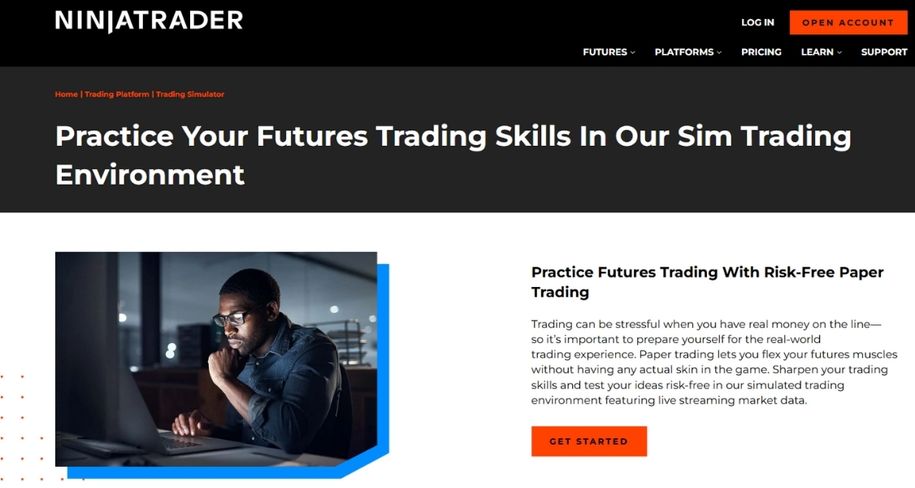
NinjaTrader remains one of the most powerful futures trading platforms in 2026, offering its full simulation mode completely free. It’s extremely popular among futures traders for its advanced charting and order flow tools.
Key Features
- Realistic simulation with market depth
- Free charting and analytics
- Advanced order types like ATM strategies
- Highly customizable interface
Pros
- Excellent for learning complex futures strategies
- Great DOM and order flow tools
- Very fast execution simulation
Cons
- Steeper learning curve
- Requires installation on Windows
Best For
Active traders who want pro-level tools without paying upfront.
2. Tradovate (Free Paper Trading Access)
Overview
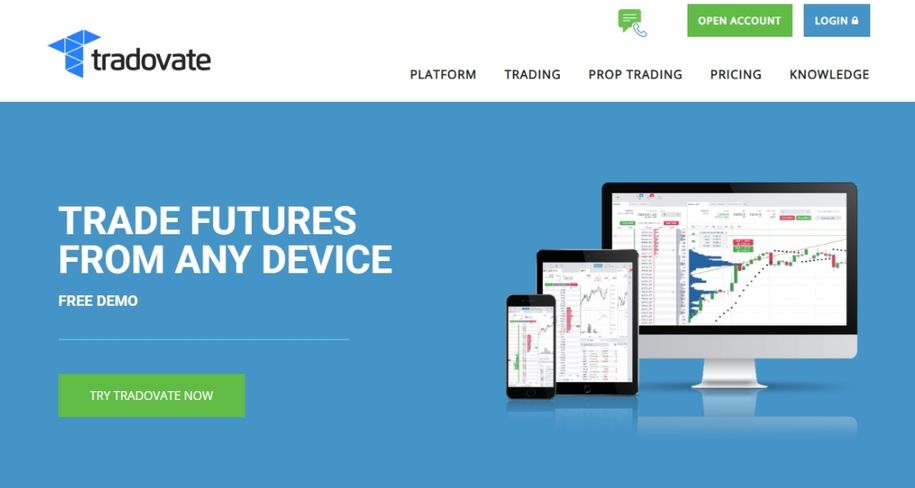
Tradovate is a modern futures trading platform known for its cloud-based interface. It offers free unlimited paper trading, making it perfect for learning on multiple devices.
Key Features
- Cloud-based (Mac, Windows, Web)
- High-speed simulated order execution
- Simple and clean UI
- Multiple chart types and indicators
Pros
- No software installation
- Fast and intuitive
- Works on smartphones and tablets
Cons
- Some advanced tools require paid access
- Fewer customization options compared to NinjaTrader
Best For
Beginners and intermediate traders who want a sleek, modern platform.
3. CME Group Futures Trading Simulator
Overview
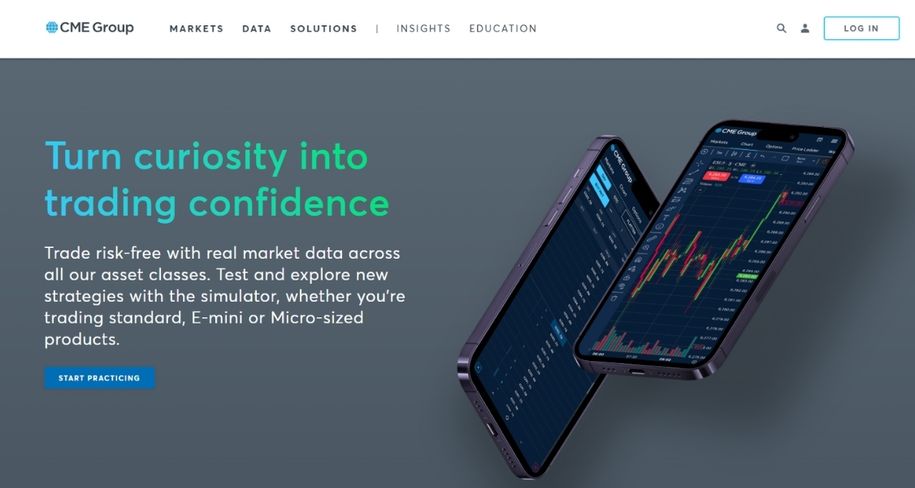
CME—the world’s largest futures exchange—offers its own official simulator. It’s perfect for traders who want to learn futures using exchange-grade tools.
Key Features
- Depth-of-market view
- Real exchange pricing (often delayed)
- Order flow learning environment
Pros
- Extremely accurate market structure
- Trusted by institutions
- Great for understanding professional futures trading
Cons
- Interface is basic
- Limited charting compared to other platforms
Best For
Traders who want to study how futures behave at an exchange level.
4. TradingView Paper Trading (Futures-Capable)
Overview
TradingView is famous for its beautiful charts and social trading features. While it doesn’t offer native futures simulation with all brokers, you can still paper trade futures using connected supported brokerage accounts.
Key Features
- World-class charting system
- Real-time simulated trading
- Strategy tester
- Cloud-based platform
Pros
- Most intuitive charts in the industry
- Works on any device
- Huge community scripts and indicators
Cons
- Full futures paper trading requires supported broker
- Some tools are behind a paywall
Best For
Traders who value high-quality charting and visualization.
5. Thinkorswim by TD Ameritrade
Overview
Thinkorswim (TOS) is an iconic platform widely respected for its analytics. Its paperMoney® simulator is excellent for futures traders.
Key Features
- Realistic simulated futures fills
- Advanced charting
- Options + futures combined environment
- Free to use
Pros
- Powerful indicators and studies
- Completely free
- Great for strategy testing
Cons
- Resource-heavy
- Learning curve for beginners
Best For
Data-driven traders looking for advanced tools.
6. Quantower
Overview
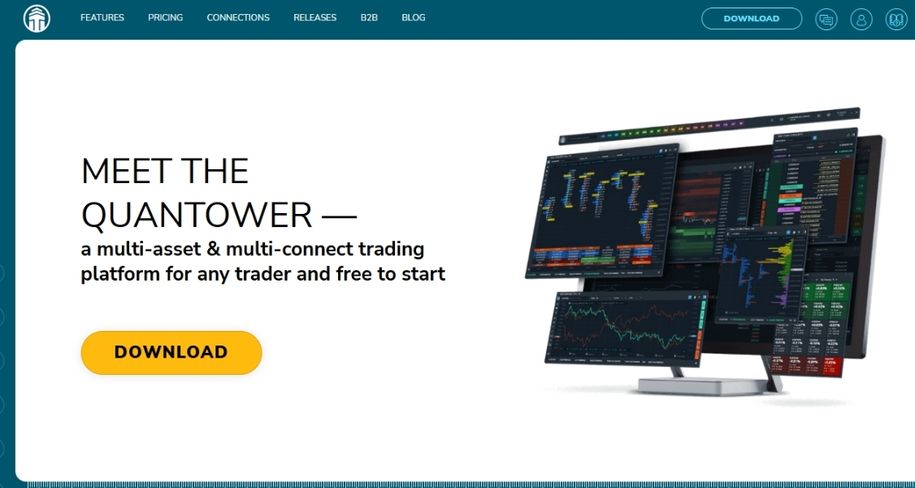
Quantower is a newer entrant but quickly gaining popularity due to its modular interface and ability to connect to many brokers and data feeds.
Key Features
- Multi-broker platform
- DOM, order flow, footprint charts
- Backtesting + simulation
- Clean layout
Pros
- Very flexible
- Excellent for professional futures analysis
- Supports advanced chart types
Cons
- Best features require add-ons
- Not as simple for beginners
Best For
Futures traders who want maximum control and advanced analytics.
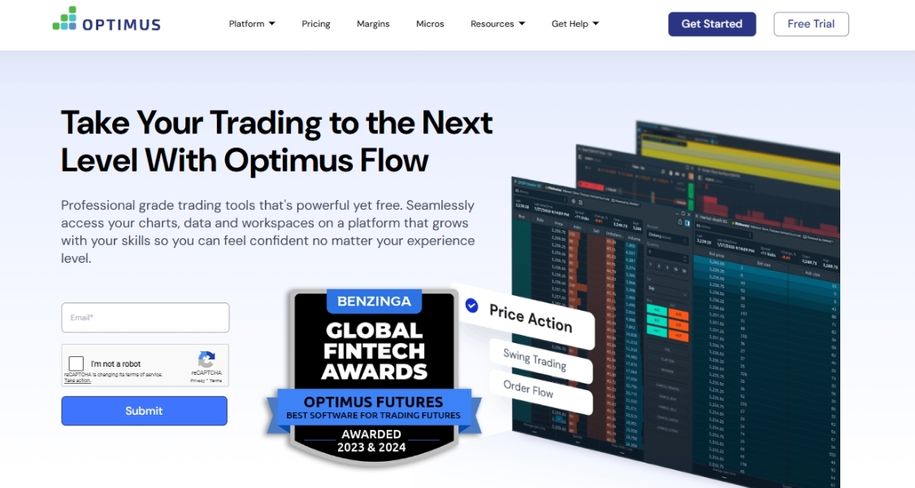
7. Optimus Futures – Optimus Flow Demo
Overview
Optimus Flow is a robust trading platform offered by Optimus Futures. The demo version allows free paper trading with powerful analytics.
Key Features
- Advanced DOM tools
- Order flow analysis
- Sentiment + volume tools
- Realistic simulator
Pros
- Excellent for serious futures traders
- Smooth, fast interface
- Deep market analytics
Cons
- Might feel overwhelming at first
Best For
Intermediate to advanced traders who want a professional-grade experience.
Benefits of Paper Futures Trading in 2026
- Risk-Free Learning: You can experiment without losing money—ideal for beginners.
- Strategy Development: Test day trading, scalping, swing trading, or spread strategies.
- Platform Familiarity: Every broker has unique tools. Paper trading helps you master them.
What to Look For in a Paper Futures Trading Platform
- Real-Time Data: Live data is better for realistic execution.
- Order Types: A good simulator supports bracket orders, OCO, market-if-touched, and more.
- Quality Charting: Accurate visuals help you make better decisions.
Conclusion
Choosing the right paper futures trading platform can make a huge difference in your journey as a trader. Whether you’re using NinjaTrader for depth-of-market analysis or TradingView for beautiful charts, each platform offers something unique. The key is to practice consistently, experiment with strategies, and build confidence before trading with real capital.
These 7 free paper futures trading platforms for 2026 give you the tools you need to learn, grow, and succeed—without spending a single dollar.
FAQs

1. Are these platforms completely free?
Yes, all platforms listed offer free paper or demo trading modes.
2. Which platform is best for beginners?
Tradovate and TradingView are the most user-friendly options.
3. What is the most advanced futures simulator?
NinjaTrader and Quantower offer the deepest professional tools.
4. Do these platforms provide real-time data?
Some do; others offer delayed data depending on the exchange.
5. Can I switch from paper trading to real trading easily?
Yes, most platforms support seamless transition to live accounts.
See Also: 7 Best Crypto Discord Servers 2026: Trading & Alpha